Curriculum
International Marketing Management
International Marketing Management
0/19
-
Handout
 Preview
-
LO1 Notes
Preview
-
LO1 Reading Material
Preview
-
LO1 Case Study Insights

-
LO1 Game ⭐
-
LO2 Notes
-
LO2 Reading Materials
-
LO2 Case Study Insights
-
LO2 Game ⭐
-
LO3 Notes
-
LO3 Reading Materials
-
LO3 Case Study Insights
-
LO3 Game ⭐
-
LO4 Notes
-
LO4 Reading Materials
-
LO4 Case Study Insights
-
LO4 Game ⭐
-
Feedback Form: International Marketing Management
-
IMM_Game Reflection Note
LO1 Notes
Learning Outcome 1
Analyse the Changing Business Environment(s) Globally and How They Pose Challenges to Marketing Management Functions
The global business environment is dynamic and multi-layered. Marketing managers must continuously analyse macro-environmental forces to remain competitive across international markets.
One widely used environmental scanning framework is PESTLE Analysis, which evaluates Political, Economic, Social, Technological, Legal, and Environmental factors.
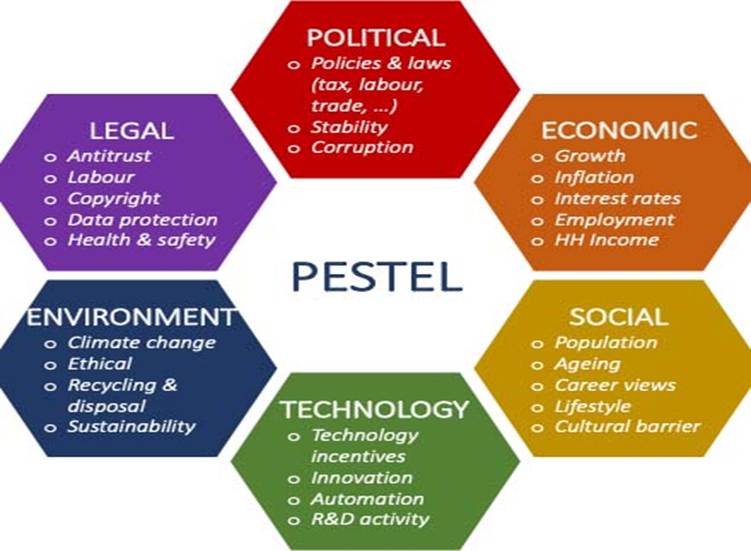
In the global film launch scenario:
Political Factors:
- Government censorship regulations in certain countries
- Restrictions on foreign media distribution
- Trade barriers affecting film imports
For example, content restrictions in certain Asian or Middle Eastern markets may require modification of promotional material, trailers, or scripts.
Economic Factors:
- Exchange rate volatility
- Differences in disposable income
- Ticket price sensitivity across regions
European markets may tolerate premium pricing for IMAX experiences, whereas emerging markets may require penetration pricing strategies.
Social and Cultural Factors:
- Cultural norms affecting storytelling acceptance
- Language barriers
- Celebrity influence variations
Audience reception differs significantly across collectivist and individualist societies, influencing promotional tone and endorsement selection.
Technological Factors:
- Streaming competition
- Digital ticketing platforms
- Social media engagement trends
Global digital platforms alter distribution strategies and shorten product life cycles.
Legal Factors:
- Intellectual property protection
- Advertising standards
- Data protection laws affecting online promotions
These environmental complexities create strategic uncertainty. Marketing managers must adapt segmentation, positioning, and communication strategies accordingly.
Global competition further intensifies environmental challenges. Competitor releases, seasonal timing, and franchise dominance influence market entry decisions. Therefore, environmental analysis becomes a continuous process rather than a one-time evaluation.